
Hot Pavement in Denver: When Is It Too Hot for Your Dog?
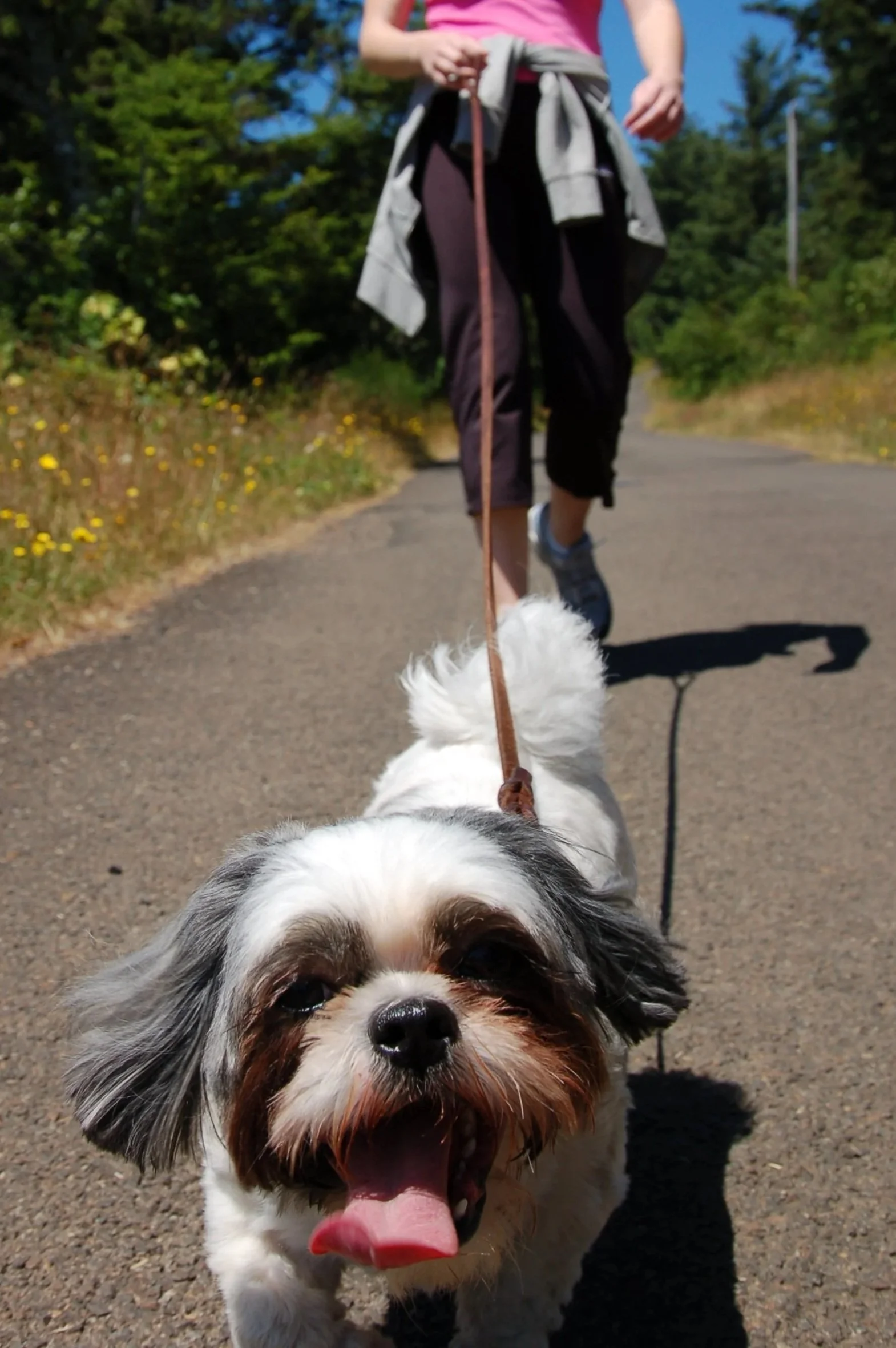
Denver summers are made for outdoor adventures. Whether you're exploring local trails, relaxing on a brewery patio, or taking an evening stroll through the neighborhood, spending time outside with your dog is one of the best parts of the season.
What many pet parents don't realize, however, is that pavement can become dangerously hot long before the air temperature feels uncomfortable. On a sunny Colorado day, asphalt and concrete can reach temperatures high enough to burn your dog's paws in a matter of seconds.
Why Pavement Gets So Hot
Denver's high elevation and intense sunshine allow surfaces to heat up quickly throughout the day. Asphalt absorbs and retains heat far more efficiently than grass, dirt, or shaded areas, causing pavement temperatures to climb well above the surrounding air temperature.
For example, when the air temperature reaches 77°F, asphalt can reach approximately 125°F. At 86°F, pavement temperatures may climb to 135°F, and on a 95°F day, asphalt can exceed 150°F. At around 125°F, skin damage can occur in as little as 60 seconds.
Although a dog's paw pads are tougher than human skin, they are still vulnerable to burns and heat-related injuries.
When is the Pavement Too Hot for Dogs?
The biggest challenge for dog owners is that pavement temperatures are often much higher than the temperature displayed on a weather app. As a general guideline, pavement temperatures below 85°F are typically considered safe. Once surface temperatures reach between 85°F and 125°F, caution is warranted and exposure should be limited. Anything above 125°F can quickly become dangerous.
In practical terms, this means that when the outdoor temperature reaches 70°F, pavement may already be uncomfortable for some dogs. At 80°F, surfaces can become dangerous surprisingly fast, and when temperatures climb above 90°F, it's best to avoid walking on asphalt during the hottest parts of the day altogether.
One of the simplest ways to check is by performing the "7-second test." Place the back of your hand on the pavement and hold it there for seven seconds. If it's too hot for your hand, it's too hot for your dog's paws.
Recognizing Paw Burns and Heat Injuries
Even a short walk on overheated pavement can lead to painful injuries. Dogs with burned paw pads may begin limping, excessively licking their feet, or refusing to continue walking. You may also notice redness, darkened paw pads, blisters, or signs of discomfort after returning home.
Paw pad burns can take weeks to heal and may become infected if left untreated. If you suspect your dog has suffered a burn, contact your veterinarian for guidance.
The Best Times to Walk Your Dog During Summer
When temperatures rise, timing becomes important. Early morning and evening walks are usually the safest options because pavement has had time to cool. Choosing shaded routes, grassy parks, or natural trails can also significantly reduce your dog's exposure to hot surfaces.
Whenever possible, avoid walks between 11 a.m. and 5 p.m., when pavement temperatures are often at their highest.
Simple Ways to Protect Your Dog's Paws
A few small adjustments can make a big difference during Denver's hottest months. Whenever possible, choose grass over asphalt or concrete, as grassy surfaces remain considerably cooler throughout the day. Protective dog boots can provide an additional layer of defense against hot pavement, particularly during unavoidable midday outings.
Hydration is equally important. Always bring fresh water for both you and your dog, especially given Denver's altitude and dry climate. On especially hot days, consider shortening walks and supplementing exercise with indoor enrichment activities, training sessions, or interactive games.
Heat Safety Goes Beyond the Pavement
While hot pavement is a common summer hazard, it's not the only heat-related risk. Dogs can overheat much faster than people, particularly brachycephalic (flat-faced) breeds, puppies, senior dogs, overweight pets, and dogs with heart or respiratory conditions.
If your dog begins heavy panting, appears lethargic, vomits, struggles to stand, or collapses, seek veterinary care immediately. Heat-related illnesses can become life-threatening very quickly.
Final Thoughts
Denver's sunshine is one of the many reasons people love living here, but it can also create hidden dangers for our pets. A quick pavement check before heading out can help prevent painful burns and keep your dog safe throughout the summer.
When temperatures climb, consider adjusting your walking schedule, choosing cooler surfaces, and planning outdoor activities during the morning or evening hours.
Remember: If it's too hot for your hand, it's too hot for their paws!
