
Fireworks in Denver: How to Prepare Your Pet Before July 4th
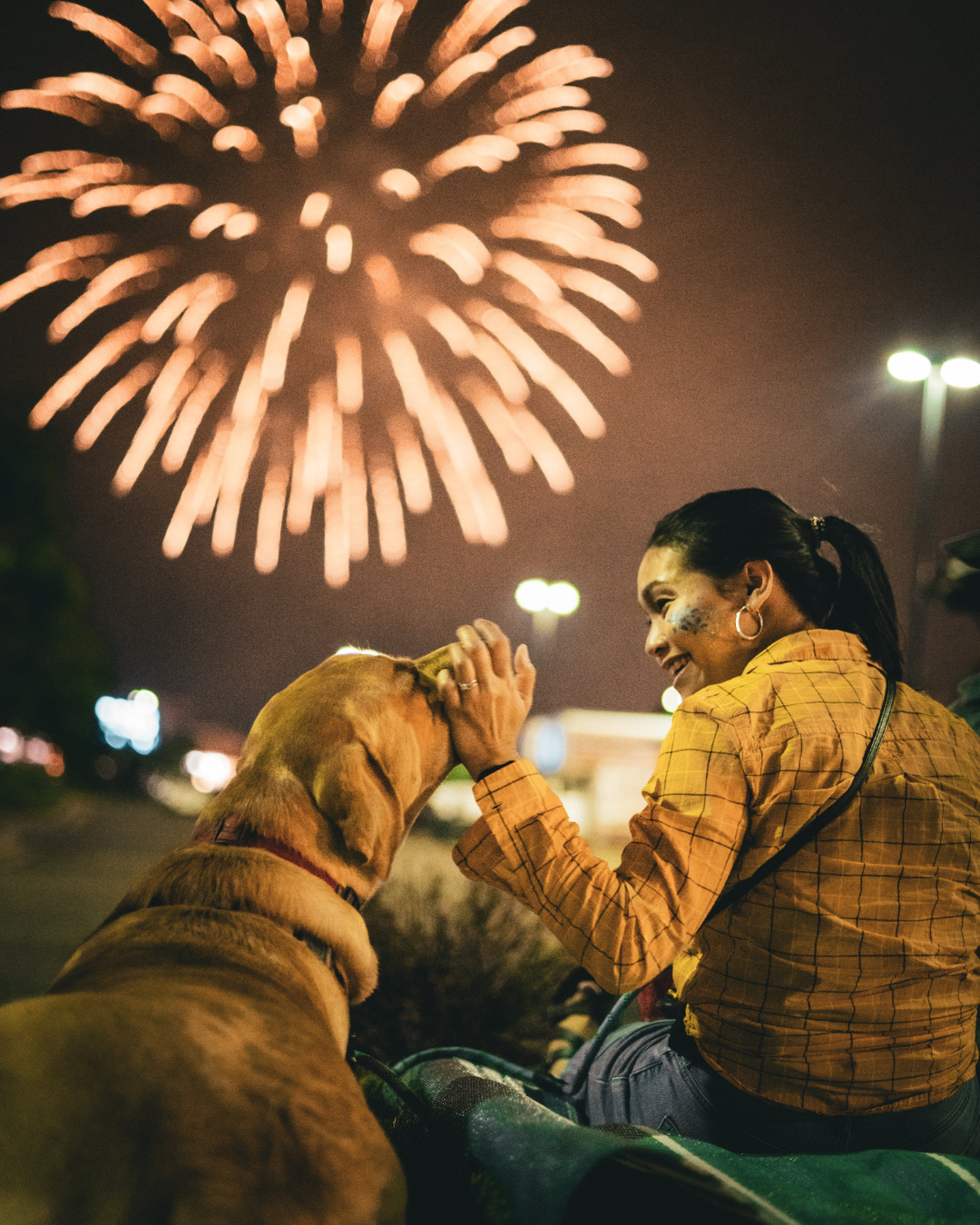
July 4th is one of the most celebrated holidays in Denver. From neighborhood gatherings to professional fireworks displays, the holiday offers plenty of opportunities to enjoy Colorado’s summer weather.
For many pets, however, fireworks can be one of the most stressful experiences of the year. The loud noises, flashing lights, and unpredictable nature of fireworks can trigger anxiety in both dogs and cats, sometimes leading to panic, escape attempts, or even injury.
The good news is that a little preparation can go a long way toward helping your pet feel safe and comfortable during the holiday.
Why Fireworks Cause Anxiety in Pets
Pets experience the world differently than we do. Dogs and cats have much more sensitive hearing, allowing them to detect sounds at frequencies humans cannot hear. While fireworks may seem exciting to us, the sudden booms and crackles can be overwhelming for animals.
Unlike thunderstorms, which often build gradually, fireworks occur without warning. The combination of loud noises, vibrations, flashing lights, and unfamiliar smells can activate a pet’s natural fight-or-flight response.
Many pets don’t understand where the sounds are coming from, making the experience even more frightening.
Common Signs of Firework Anxiety
Every pet responds differently to stressful situations, but there are several common signs that your dog or cat may be experiencing anxiety during fireworks.
Watch for:
Trembling or shaking
Excessive panting
Pacing or restlessness
Hiding under furniture or in closets
Barking or vocalizing more than usual
Refusing food or treats
Excessive drooling
Attempts to escape doors, windows, or fencing
Some pets may show only mild signs of stress, while others can become severely distressed. Recognizing these behaviors early allows you to provide support before anxiety escalates.
Preparing Your Pet Before Fireworks Begin
The best time to help your pet is before the fireworks start.
Creating a plan ahead of time can help reduce stress and prevent emergencies.
Exercise Earlier in the Day
For dogs, a long walk or play session earlier in the day can help burn excess energy and encourage relaxation later in the evening.
Because fireworks often begin before dark and may continue throughout the week leading up to July 4th, it’s a good idea to schedule outdoor activities earlier in the day whenever possible.
Create a Safe Space
Many pets feel more secure when they have a quiet place to retreat.
Consider setting up a comfortable room with:
Their favorite bed or blanket
Familiar toys
Access to fresh water
Closed curtains or blinds
Allow your pet to choose where they feel most comfortable and avoid forcing them out of their hiding spot.
Use Background Noise
Televisions, fans, white noise machines, or calming music can help mask the sound of fireworks.
While they won’t eliminate the noise entirely, they may reduce the intensity of sudden sounds and make the environment feel more predictable.
Make Sure Identification Is Current
July 4th consistently ranks among the busiest times of the year for lost pets.
Before the holiday, confirm that:
ID tags are attached and legible
Microchip information is up to date
Gates and fences are secure
Even pets that have never attempted to escape can become startled during fireworks.
Should You Leave Your Pet Home Alone?
Whenever possible, avoid leaving anxious pets alone during fireworks displays.
If you know your pet struggles with loud noises, try to be home during peak firework hours. Your presence can provide reassurance and help you monitor for signs of escalating stress.
If you must be away, ensure your pet has access to a secure, comfortable space and remove any potential hazards that could cause injury during a panic response.
When to Talk to Your Veterinarian
Some pets experience anxiety that goes beyond what environmental changes can manage.
If your pet has a history of severe fear, destructive behavior, self-injury, or escape attempts during fireworks, it’s worth discussing the situation with your veterinarian before the holiday arrives.
In some cases, your veterinarian may recommend calming supplements, pheromone products, anxiety wraps, or other strategies to help reduce stress during fireworks season. Because every pet responds differently, it’s important to discuss these options before the holiday rather than waiting until anxiety becomes severe.
The earlier you prepare, the more options you’ll have to help keep your pet comfortable and safe.
A Calmer Fourth of July for You and Your Pet
Fireworks are a familiar part of summer in Denver, but they can be overwhelming for many pets. Understanding how your pet responds to loud noises and preparing ahead of time can make a significant difference in their comfort and safety.
By creating a calm environment, updating identification information, and recognizing signs of anxiety early, you can help your pet navigate the holiday with less stress and greater confidence.
If your pet experiences anxiety during fireworks or other loud events, contact us for an in-home consultation.
