
Spring Allergies in Denver Pets: Why They’re Worse at High Altitude
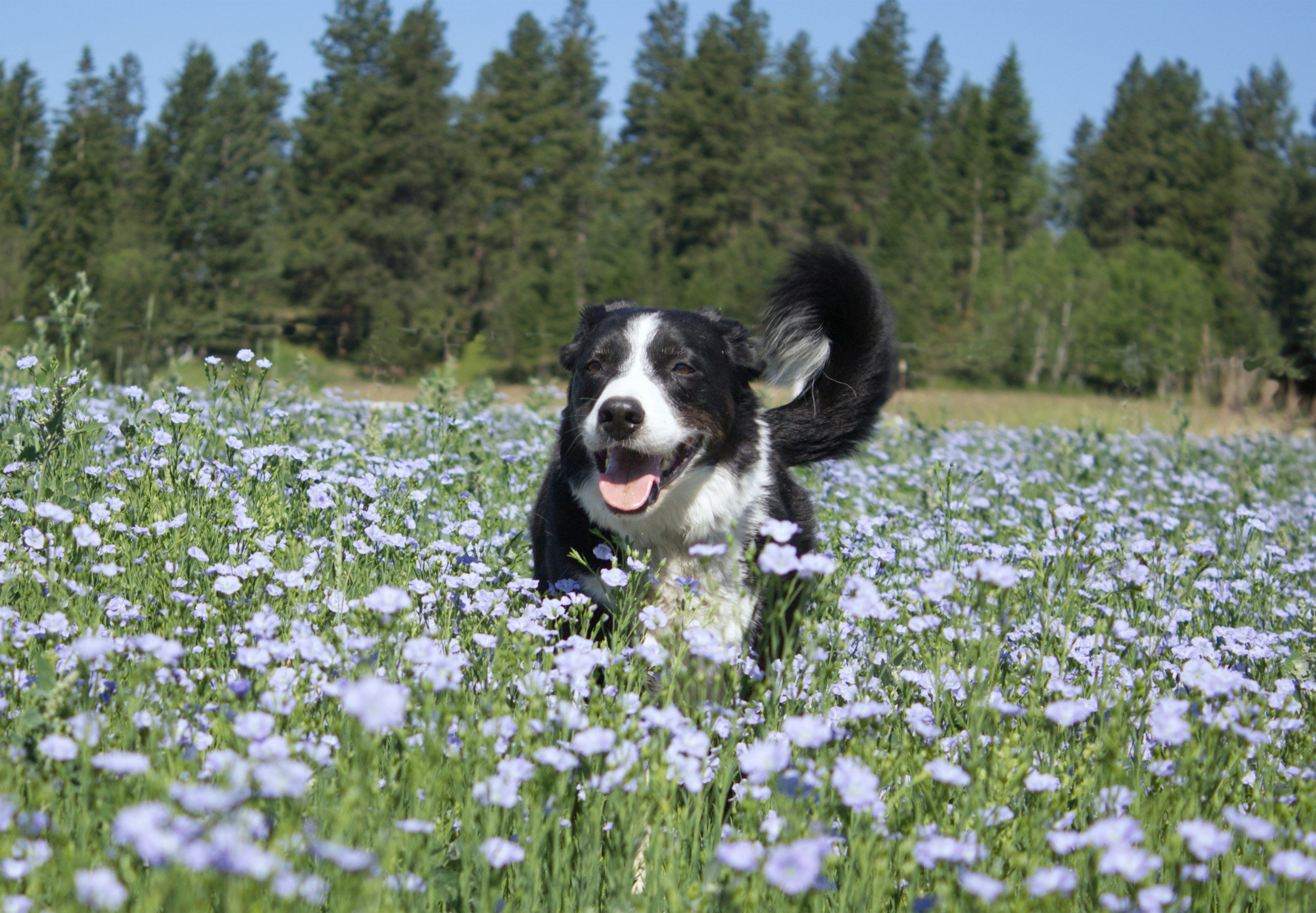
Spring in Denver is a welcome change—longer days, warmer weather, and more time outside with your dog. But for many pets, it also marks the start of allergy season. If your dog suddenly starts itching, licking their paws, or dealing with irritated skin, it’s not just bad luck.
Denver’s high-altitude environment actually makes spring allergies more intense—and understanding why can help you better support your pet’s health.
Why Allergies Hit Harder in Denver
At first glance, Denver doesn’t seem like a place where allergies would thrive. The air is dry, and the climate is relatively mild. But those exact conditions are part of the problem.
High altitude means:
Lower humidity
More airborne particles
Greater exposure to environmental irritants
Instead of settling, allergens like pollen stay suspended in the air longer—making it easier for your dog to inhale or absorb them through their skin.
The Main Culprit: Spring Pollen
Spring allergies in Denver are largely driven by tree and grass pollen. Great for the honey bees, not so great for us mammals.
Tree Pollen (Early Spring)
As temperatures rise, trees like cottonwood, elm, and juniper release large amounts of pollen. These particles are incredibly fine and easily cling to your dog’s coat, paws, and skin.
Grass Pollen (Late Spring)
As the season progresses, grasses begin to pollinate—adding another layer of exposure, especially for dogs that spend time in parks or open spaces.
Unlike humans, dogs don’t just inhale pollen—they carry it with them, which means prolonged contact throughout the day.
The Hidden Factor: Dry Air Irritation
Denver’s dry climate plays a bigger role than most people realize.
Low humidity can:
Dry out your dog’s skin
Weaken their natural skin barrier
Make them more sensitive to allergens
When the skin is already irritated or compromised, even small amounts of pollen can trigger a stronger reaction. Think of it as your dog starting the season with less protection.
Common Signs of Allergies in Pets
Spring allergies don’t always look dramatic at first. They tend to build over time. Watch for these signs of allergies irritating your pet:
Excessive scratching or biting at the skin
Licking or chewing paws
Red, irritated, or inflamed skin
Frequent ear infections or head shaking
Watery eyes or sneezing
Dull coat or increased shedding
If you’re seeing a combination of these, allergies are a likely cause—not just “normal itching.”
Supporting Your Dog’s Wellness During Allergy Season
You don’t have to avoid the outdoors—far from it. Spring is still one of the best times to stay active with your dog. The goal is to reduce exposure and support their overall resilience.
Here are a few practical ways to help:
1. Rinse After Outdoor Time
A quick wipe-down or rinse removes pollen from your dog’s coat and paws before it can cause irritation.
2. Keep Skin Hydrated
Moisturizing shampoos or conditioners designed for dogs can help counteract the drying effects of the climate.
3. Stay Consistent with Grooming
Regular brushing helps remove trapped allergens and keeps the coat healthy.
4. Watch Peak Pollen Times
Pollen levels tend to be highest in the morning and on windy days. Adjusting your routine slightly can make a difference.
5. Pay Attention Early
Don’t wait until symptoms get severe. Mild irritation is easier to manage than a full-blown flare-up.
A Healthier Spring for You and Your Dog
Spring in Denver should be something you and your dog enjoy together—not a season you have to push through.
By understanding how high altitude, pollen, and dry air work together, you can take simple steps to protect your dog’s comfort and well-being. A little awareness goes a long way toward keeping them active, healthy and happy all season long.
If your pet is experiencing any signs of allergies this spring, contact us for an in-home consultation.